How to Boost Team Productivity with AI Assistants
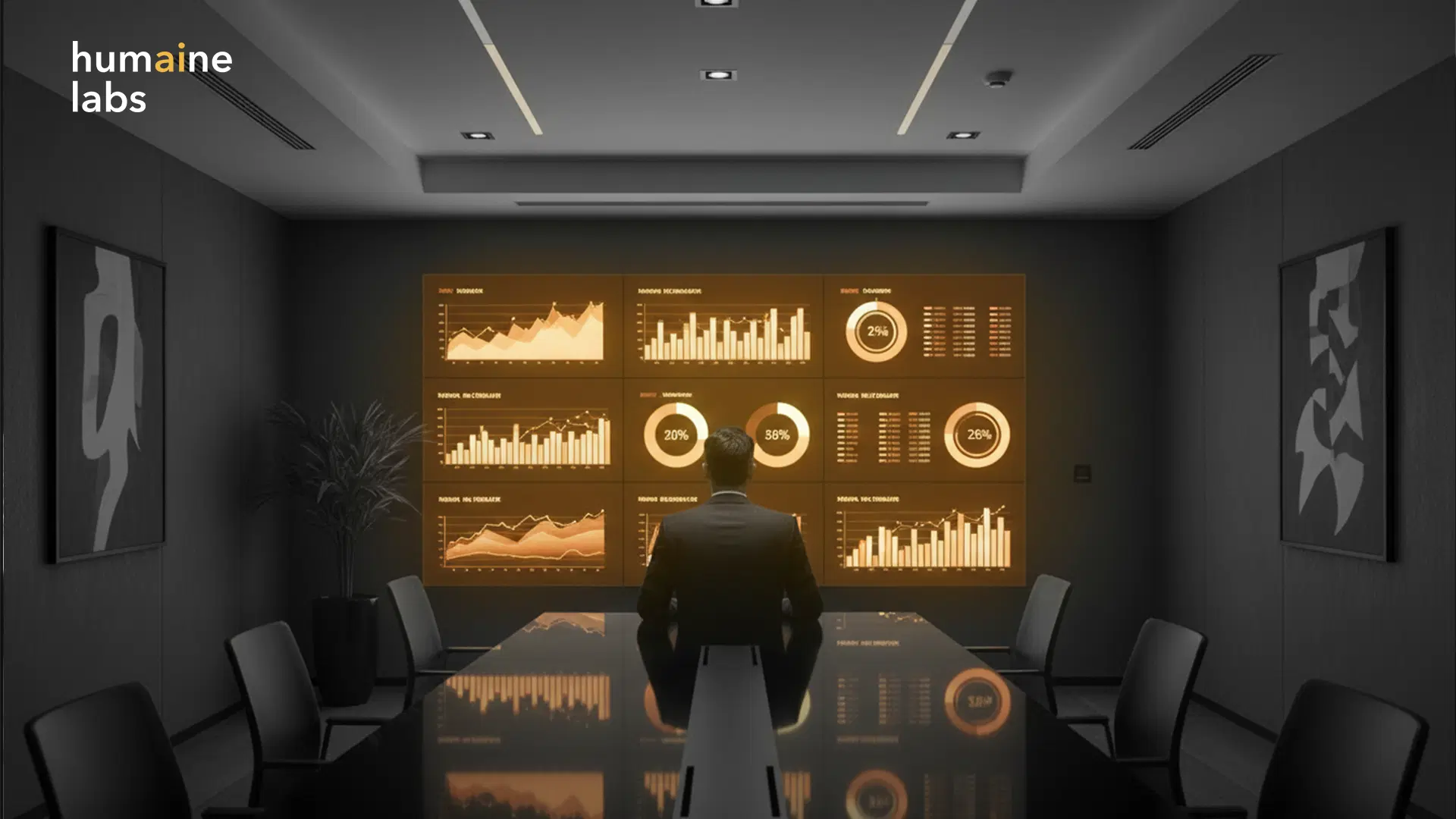

Managing a team in today's fast-paced business environment requires juggling countless tasks, from scheduling meetings to tracking project progress and ensuring deadlines are met. The constant demand for efficiency and productivity can overwhelm even the most experienced managers. This is where AI assistants step in as game-changing tools that can transform how managers lead their teams.
AI assistants for managers are no longer futuristic concepts—they're practical solutions that are reshaping workplace productivity today. These intelligent tools can automate routine tasks, provide real-time insights, and free up valuable time for strategic thinking and team development. By leveraging AI productivity tools, managers can focus on what truly matters: building stronger teams and driving meaningful results.
The impact is measurable. Organizations using AI work assistants report up to 40% improvement in task completion rates and 25% reduction in time spent on administrative work. This transformation isn't just about efficiency—it's about empowering managers to become better leaders.
An AI assistant for managers is an intelligent software system designed to support leadership tasks through automation, analysis, and decision-making support. Unlike traditional productivity tools that require manual input and management, AI assistants learn from patterns, anticipate needs, and proactively suggest actions.
These systems excel in several key areas that directly impact managerial effectiveness. They can automatically schedule meetings based on team availability, analyze project data to identify potential bottlenecks, and even draft communication templates that maintain consistent messaging across the organization.
The core capabilities of manager AI include natural language processing for communication tasks, predictive analytics for project planning, and machine learning algorithms that adapt to individual management styles. This creates a personalized experience that becomes more valuable over time.
What sets AI assistants apart from traditional tools is their ability to understand context and make intelligent recommendations. While a standard calendar app simply stores appointments, an AI assistant can suggest optimal meeting times, identify scheduling conflicts before they occur, and even recommend agenda items based on previous discussions.
Modern AI task management systems revolutionize how managers handle scheduling and prioritization. These tools analyze team workloads, project deadlines, and individual capacity to automatically assign tasks and suggest optimal timelines.
Smart scheduling algorithms consider factors like team member expertise, current workload, and project dependencies to create realistic timelines. This eliminates the guesswork from task delegation and ensures resources are allocated efficiently. Managers can set high-level goals, and the AI assistant breaks them down into actionable steps with appropriate deadlines.
Priority management becomes effortless when AI systems continuously evaluate task importance based on business impact, urgency, and resource availability. This dynamic prioritization ensures teams always focus on the most valuable work.
Productivity AI provides managers with unprecedented visibility into team performance through real-time analytics and reporting. These systems track key metrics like task completion rates, time allocation, and collaboration patterns to identify trends and opportunities for improvement.
Predictive analytics help managers anticipate project delays before they occur. By analyzing historical data and current progress patterns, AI assistants can flag potential issues and suggest corrective actions. This proactive approach prevents small problems from becoming major setbacks.
Performance bottleneck identification becomes automatic when AI systems monitor workflow patterns and highlight areas where teams consistently struggle. This data-driven insight enables targeted interventions and process improvements.
AI assistants excel at improving team communication through automated meeting summarization and action item extraction. After each meeting, the system generates comprehensive summaries with clear next steps, ensuring nothing falls through the cracks.
Cross-team coordination becomes seamless when AI systems automatically update relevant stakeholders about project progress and changes. This reduces the communication overhead that often burdens managers and ensures everyone stays informed.
Language barriers dissolve with real-time translation capabilities, enabling global teams to collaborate more effectively. AI assistants can translate messages, documents, and even live conversations to facilitate better understanding.
AI workflow automation eliminates repetitive tasks that consume valuable management time. From generating status reports to updating project dashboards, AI assistants handle routine administrative work automatically.
Custom workflow creation allows managers to design processes that match their team's unique needs. AI systems learn from these workflows and suggest optimizations based on performance data and best practices from similar organizations.
Integration with existing business systems ensures AI assistants work seamlessly with tools teams already use. This eliminates the need for disruptive system changes while maximizing the value of current technology investments.
Executive-level AI work assistants focus on high-level strategic support and decision-making assistance. These sophisticated systems can manage complex calendars with multiple stakeholders, prioritize emails based on sender importance and content urgency, and provide daily briefings with key business insights.
Voice-activated scheduling capabilities allow busy executives to manage their calendars hands-free while traveling or during other activities. The AI assistant can schedule meetings, reschedule conflicts, and even suggest optimal times based on energy levels and meeting types.
Strategic insight generation helps executives stay informed about market trends, competitive intelligence, and internal performance metrics. AI assistants can compile information from multiple sources and present it in digestible formats for quick decision-making.
AI project management solutions provide comprehensive support for complex project oversight and execution. These systems excel at resource allocation optimization, timeline management, and risk assessment across multiple concurrent projects.
Intelligent project planning considers team capacity, skill sets, and availability to create realistic project timelines. The AI assistant can identify potential resource conflicts early and suggest alternative approaches to keep projects on track.
Risk assessment and mitigation become proactive when AI systems analyze project patterns and identify common failure points. This enables managers to implement preventive measures before issues arise.
Team management AI focuses on people-centric management tasks like performance monitoring, goal setting, and team development. These systems help managers build stronger relationships with team members while maintaining productivity standards.
Performance monitoring becomes more nuanced when AI systems track both quantitative metrics and qualitative indicators like collaboration patterns and communication frequency. This holistic view helps managers identify team members who might need additional support or recognition.
Goal setting and progress tracking become more effective when AI assistants help break down large objectives into manageable milestones and provide regular progress updates to keep everyone aligned.
Successful AI assistant implementation begins with a thorough assessment of your team's current productivity challenges and workflow inefficiencies. Start by identifying the tasks that consume the most time without adding significant value to your team's output.
Evaluate your current technology stack to understand integration requirements. The best AI for leadership solutions work seamlessly with existing tools rather than requiring complete system overhauls. Consider factors like data migration, user training requirements, and ongoing maintenance needs.
Document your team's communication patterns, project types, and collaboration preferences. This information helps identify which AI assistant features will provide the most immediate value and long-term benefit.
When evaluating intelligent assistant options, prioritize natural language processing capabilities that allow for intuitive interaction. The system should understand context, handle complex requests, and provide relevant responses without extensive training.
Integration ecosystem compatibility is crucial for seamless workflow adoption. Look for AI assistants that connect with your existing project management tools, communication platforms, and business applications. This ensures data flows smoothly between systems without manual intervention.
Customization and scalability options allow the AI assistant to grow with your team and adapt to changing needs. The system should support custom workflows, personalized preferences, and expansion to additional team members or departments.
Security and data privacy features are non-negotiable in today's business environment. Ensure the AI assistant meets your organization's compliance requirements and provides robust data protection measures.
Free AI assistant options provide excellent starting points for teams new to AI-powered productivity tools. These solutions typically offer basic task management, scheduling support, and simple automation features that can deliver immediate value.
Premium solutions justify their cost through advanced features like predictive analytics, custom integrations, and dedicated support. Calculate the potential return on investment by considering time savings, productivity improvements, and reduced administrative overhead.
Trial period optimization helps teams evaluate premium features without long-term commitments. Use trial periods to test integration capabilities, user adoption rates, and measurable productivity improvements.
Begin implementation with a comprehensive team readiness assessment that evaluates current technology comfort levels, change management capacity, and specific productivity pain points. This foundation ensures the AI assistant addresses real needs rather than creating additional complexity.
Goal setting and success metrics definition provide clear benchmarks for measuring AI assistant effectiveness. Establish baseline measurements for key productivity indicators like task completion times, meeting efficiency, and administrative overhead.
Change management strategy development prepares your team for the transition to AI-assisted workflows. Address potential concerns about job security, learning curves, and workflow disruptions before they become obstacles to adoption.
Comparative evaluation processes should include hands-on testing with real team scenarios rather than relying solely on vendor demonstrations. Create evaluation criteria that reflect your team's specific needs and workflow requirements.
Initial configuration and customization should align with your team's existing processes while gradually introducing AI-powered improvements. Start with basic features and expand functionality as team comfort and expertise grow.
Integration with existing systems requires careful planning to ensure data consistency and workflow continuity. Test integrations thoroughly before full deployment to identify and resolve potential issues.
Training program development should focus on practical applications rather than technical features. Show team members how AI assistants solve their specific challenges and improve their daily work experience.
Gradual rollout strategies reduce adoption friction by introducing AI features incrementally. Start with the most impactful use cases and expand to additional features as team confidence grows.
Feedback collection and iteration ensure the AI assistant continues meeting team needs as workflows evolve. Regular check-ins help identify optimization opportunities and address emerging challenges.
Time savings metrics provide the most immediate and tangible evidence of AI assistant value. Track the reduction in time spent on administrative tasks, meeting preparation, and routine communication. Calculate these savings in terms of hours per week and translate them into cost savings based on team member compensation levels.
Productivity improvement measurement should encompass both quantitative and qualitative indicators. Monitor task completion rates, project delivery times, and quality metrics while also assessing team satisfaction and engagement levels.
Cost-benefit analysis frameworks help justify ongoing AI assistant investments and guide expansion decisions. Include direct costs like software licensing and training, as well as indirect benefits like improved team morale and reduced turnover.
Long-term performance tracking reveals trends and optimization opportunities that emerge over time. AI assistants become more valuable as they learn from team patterns and preferences, so measure improvement trajectories rather than just point-in-time snapshots.
Team satisfaction and adoption rates indicate the sustainability of AI assistant implementation. High adoption rates and positive feedback suggest the system is truly improving work experiences rather than adding complexity.
Addressing team concerns about job security requires transparent communication about AI's role as a productivity enhancer rather than a replacement. Emphasize how AI assistants handle routine tasks so team members can focus on creative, strategic, and relationship-building activities that require human expertise.
Demonstrating value through pilot programs allows skeptical team members to experience AI benefits firsthand. Start with volunteers who are enthusiastic about new technology and use their success stories to encourage broader adoption.
Creating AI-human collaboration frameworks helps team members understand how to work effectively with AI assistants. Provide clear guidelines about when to rely on AI recommendations and when human judgment should take precedence.
Best practices for sensitive information handling include implementing access controls, data encryption, and audit trails that meet your organization's security standards. Ensure team members understand what information should and shouldn't be shared with AI systems.
Compliance requirements and regulations vary by industry and geography, so work with legal and compliance teams to ensure AI assistant usage meets all applicable standards. Document policies and procedures for ongoing compliance monitoring.
Security audit and monitoring protocols should include regular assessments of AI assistant access logs, data usage patterns, and integration security. Establish procedures for responding to potential security incidents or data breaches.
Common integration pitfalls include data format incompatibilities, authentication issues, and workflow disruptions during implementation. Plan for these challenges by conducting thorough testing and maintaining backup processes during transition periods.
Technical support and troubleshooting resources should be readily available during initial implementation and ongoing usage. Establish relationships with vendor support teams and internal IT resources to address issues quickly.
Scalability planning for growing teams ensures AI assistant investments continue providing value as organizations expand. Consider factors like user licensing, data storage requirements, and integration complexity when planning for growth.
How can AI help managers?
AI helps managers by automating routine tasks like scheduling, reporting, and task assignment, freeing up time for strategic thinking and team development. AI provides real-time insights into team performance, predicts potential project issues, and suggests optimizations based on data analysis. This enables managers to make more informed decisions and focus on building stronger team relationships.
What are the best AI tools for managers?
Top AI tools for managers include Motion for intelligent scheduling and task management, ClickUp for AI-powered project management, Todoist for smart task organization, and Reclaim.ai for calendar optimization. Each tool offers unique features like automated task scheduling, real-time collaboration insights, and customizable workflows that adapt to different management styles.
Which is the best AI assistant for executives?
For executives, Google Assistant excels at voice-activated scheduling and quick information retrieval, while specialized tools like Saner.AI and Motion offer comprehensive executive support including meeting management, email prioritization, and strategic planning assistance. The best choice depends on specific needs like calendar complexity, communication volume, and integration requirements.
Can AI replace my manager?
No, AI cannot replace managers because leadership requires emotional intelligence, empathy, and ethical judgment that AI systems cannot provide. While AI automates administrative and analytical tasks, managers remain essential for conflict resolution, team building, strategic decision-making, and providing the human connection that motivates and inspires teams.
Are there free AI assistants for managers?
Yes, several free options exist including Google Assistant for basic scheduling and voice commands, ChatGPT for communication support and content creation, and free tiers of tools like Todoist and Asana that offer AI-powered features for task management and team coordination. These provide excellent starting points for exploring AI assistant capabilities.
The future of management lies in the intelligent partnership between human leaders and AI assistants. By embracing these tools thoughtfully and strategically, managers can unlock new levels of productivity while creating more engaging and fulfilling work experiences for their teams. The key is starting with clear goals, choosing the right tools, and maintaining focus on the human elements that make great leadership possible.