AI Personal Assistants: Revolutionizing Productivity
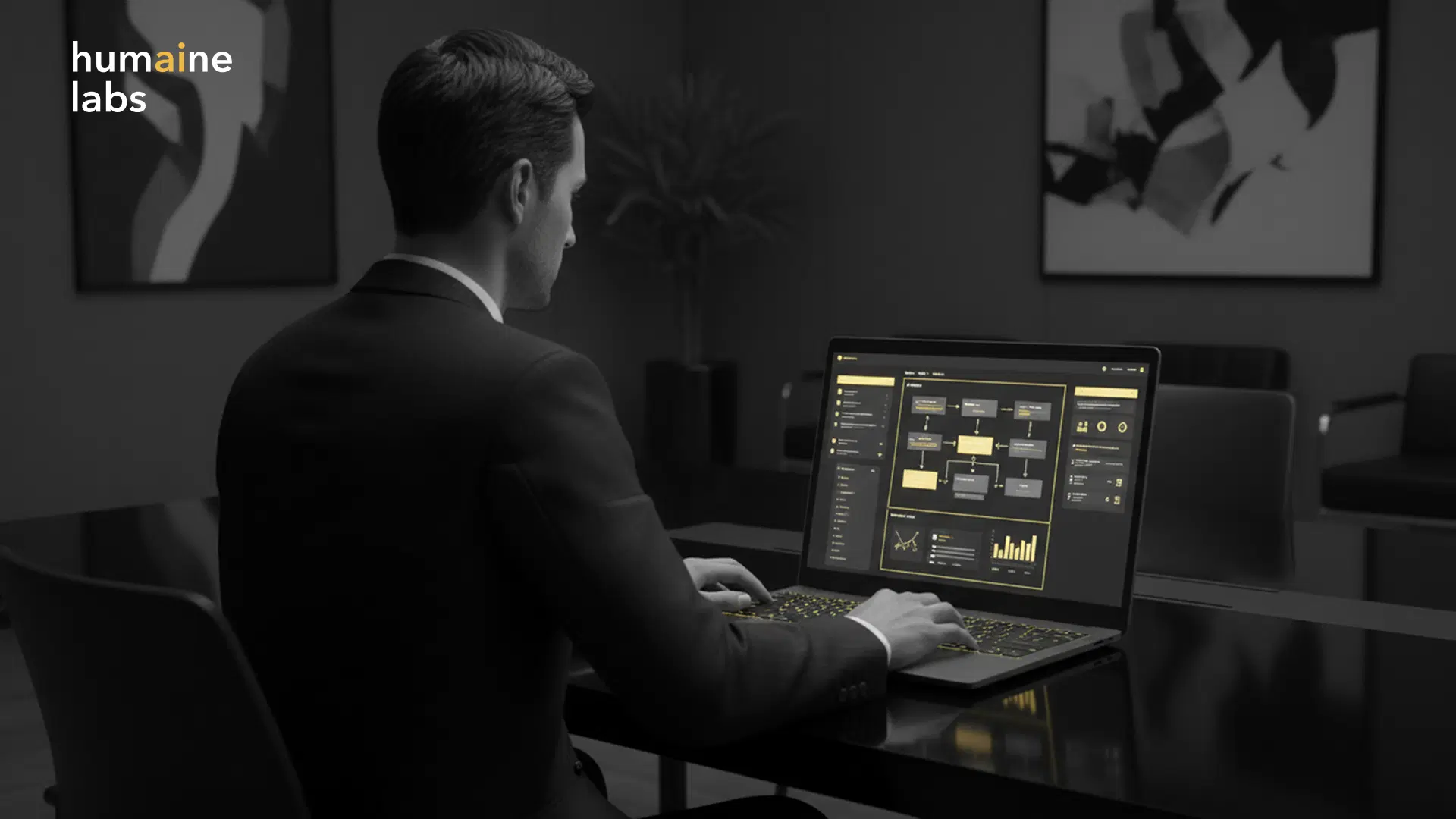
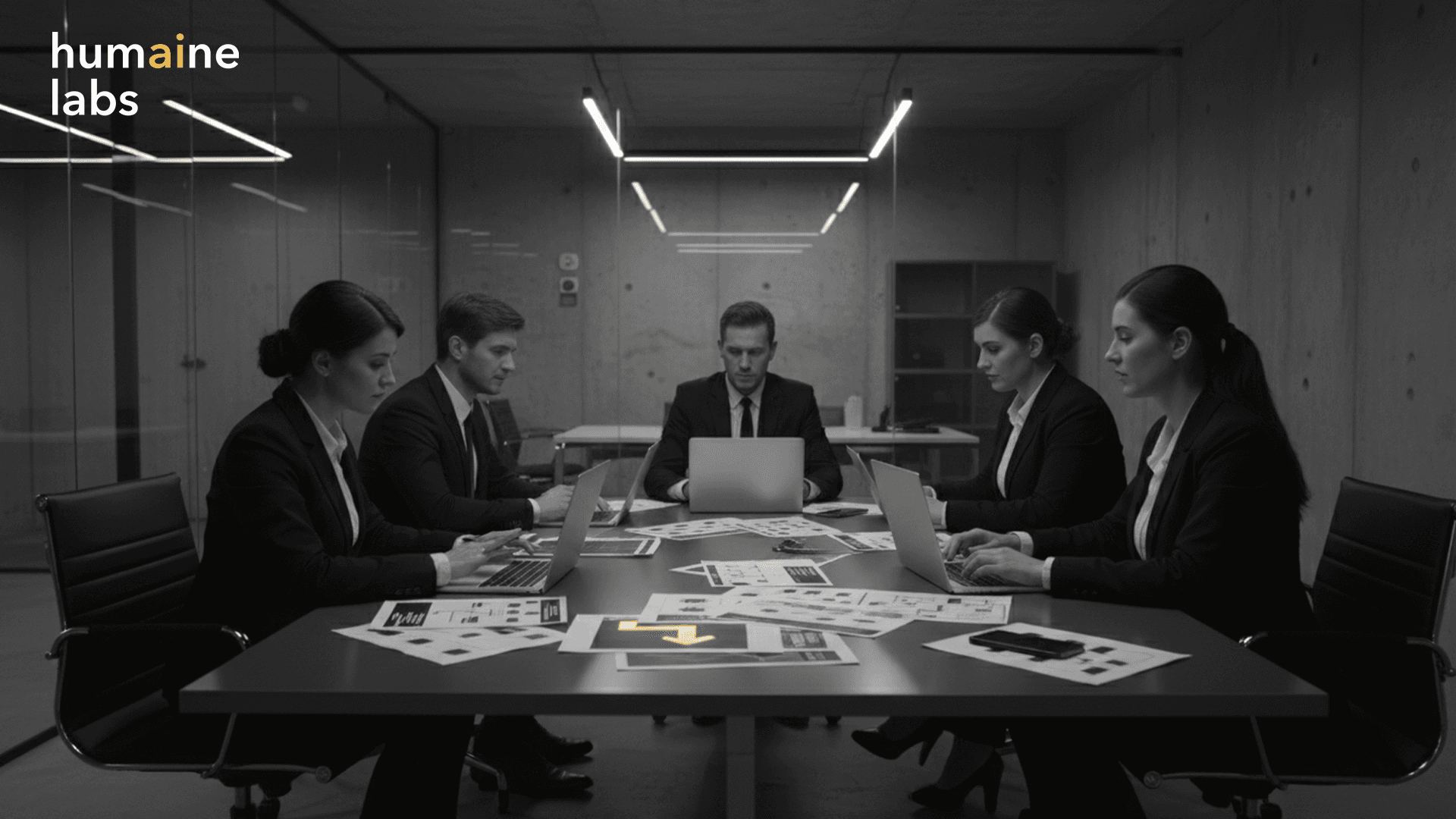
The modern workplace is drowning in routine tasks. Studies show that knowledge workers spend up to 41% of their time on repetitive activities that could be automated. Meanwhile, the rise of AI personal assistants has created a new paradigm for productivity. These intelligent tools are no longer simple voice commands or basic schedulers—they're sophisticated systems that understand context, learn from behavior, and actively contribute to decision-making. For working professionals in India's tech hubs, mastering the best AI personal assistants has become essential for career advancement and competitive advantage.
AI assistants represent a fundamental shift from rule-based automation to intelligent collaboration. Unlike traditional virtual assistants that follow pre-programmed scripts, modern AI productivity tools use machine learning and natural language processing to understand context and intent. They adapt to your working style, anticipate needs, and provide proactive suggestions rather than simply responding to commands.
The key differentiator lies in their ability to process unstructured information and make connections across different data sources. While a traditional calendar app might remind you of a meeting, an intelligent assistant can analyze your email history, identify key stakeholders, and suggest relevant background materials for the discussion.
Organizations implementing AI for productivity report significant improvements in efficiency metrics. Research indicates that professionals using AI productivity tools save an average of 2.5 hours per day on routine tasks. This time savings translates directly into increased capacity for strategic thinking, creative problem-solving, and high-value activities that drive career growth.
The return on investment extends beyond time savings. Teams using personal AI report improved decision quality, reduced errors in routine processes, and enhanced collaboration through better information sharing and context preservation.
ChatGPT has established itself as the best AI assistant for complex reasoning and content creation tasks. Its strength lies in understanding nuanced requests and providing detailed, contextual responses. For software developers and technical professionals, ChatGPT excels at code review, documentation creation, and problem-solving across multiple programming languages.
The tool's ability to maintain context across long conversations makes it particularly valuable for project planning and iterative problem-solving. However, users should be aware of its knowledge cutoff limitations and the need for fact-checking when dealing with recent developments or specialized technical information.
Google Gemini represents the next generation of AI assistants with multimodal capabilities and deep integration with Google Workspace. For professionals working in collaborative environments, Gemini's ability to analyze documents, spreadsheets, and presentations simultaneously provides unprecedented workflow efficiency.
The assistant's strength in data analysis and pattern recognition makes it particularly valuable for program managers and consultants who need to synthesize information from multiple sources. Its integration with Gmail, Calendar, and Drive creates seamless productivity workflows that adapt to professional contexts.
Microsoft Copilot stands out among top AI assistants for its deep integration with Microsoft 365 applications. For professionals working in enterprise environments, Copilot's ability to understand organizational context and maintain security protocols makes it an ideal choice for sensitive business operations.
The assistant excels in meeting summarization, email drafting, and document analysis while maintaining compliance with corporate data governance requirements. Its learning capabilities improve over time, adapting to specific organizational workflows and terminology.
AI productivity tools have revolutionized how professionals manage their workloads. Modern AI assistants can analyze email patterns, calendar commitments, and project deadlines to automatically prioritize tasks and suggest optimal scheduling. This intelligent prioritization considers factors like stakeholder importance, project impact, and personal energy patterns.
Advanced features include predictive scheduling that identifies potential conflicts before they occur and suggests alternative arrangements. The system learns from your decision patterns to improve future recommendations, creating a personalized productivity framework that evolves with your role.
The best AI personal assistants excel at transforming communication efficiency. They can draft emails that match your writing style, suggest responses based on context, and even translate complex technical concepts into accessible language for different audiences. For consultants and technical program managers, this capability significantly reduces the time spent on routine correspondence.
Content creation features extend beyond simple text generation. Intelligent assistants can create presentation outlines, generate meeting agendas based on participant roles, and even suggest follow-up actions based on conversation analysis.
Modern personal AI systems excel at processing large volumes of information and extracting actionable insights. They can analyze market research, competitive intelligence, and technical documentation to provide summarized findings and strategic recommendations.
For domain consultants and senior executives, this capability transforms how they approach decision-making. The AI can identify trends across multiple data sources, highlight potential risks or opportunities, and suggest evidence-based strategies for complex business challenges.
Choosing the best AI personal assistant requires a clear understanding of your specific workflow challenges. Software developers might prioritize code assistance and technical documentation capabilities, while program managers need strong project coordination and stakeholder communication features.
Consider your primary pain points: Are you spending too much time on email management? Do you struggle with meeting preparation? Is research and analysis consuming excessive time? Different AI assistants excel in different areas, and the best choice depends on your specific professional context.
The effectiveness of AI for productivity depends heavily on how well it integrates with your existing technology stack. Professionals using Google Workspace will find different value propositions compared to those working primarily in Microsoft environments.
Consider factors like mobile accessibility, offline capabilities, and third-party integrations. The best AI assistant for your needs should enhance rather than disrupt your established workflows while providing clear pathways for gradual adoption and skill development.
Successful implementation of AI productivity tools requires a structured approach. Begin with low-risk, high-impact use cases like email drafting or meeting summarization. This allows you to build confidence with the technology while demonstrating clear value to stakeholders.
Establish clear guidelines for AI usage, including data privacy considerations and quality control processes. For professionals in consulting or technical roles, maintaining accuracy and professional standards is crucial when leveraging AI assistance.
The future belongs to professionals who can effectively collaborate with AI systems. This requires developing new skills in prompt engineering, result validation, and AI-human workflow design. Understanding how to communicate effectively with AI assistants becomes as important as traditional technical skills.
Continuous learning and adaptation are essential. The AI landscape evolves rapidly, and staying current with new capabilities and best practices ensures you maintain a competitive advantage in your field.
Which AI assistant offers the best value for working professionals?
The best value depends on your specific needs and existing technology stack. ChatGPT offers excellent general-purpose capabilities, while Google Gemini provides superior integration for Google Workspace users. Microsoft Copilot excels in enterprise environments with strong security requirements.
Can AI assistants handle sensitive business information securely?
Enterprise-grade AI assistants like Microsoft Copilot and Google Gemini include robust security features and compliance certifications. However, always review data handling policies and configure privacy settings according to your organization's requirements.
How long does it take to see productivity improvements from AI assistants?
Most professionals report noticeable time savings within the first week of consistent use. Significant workflow improvements typically emerge after 2-4 weeks as you develop more sophisticated usage patterns and the AI learns your preferences.
What skills should I develop to work effectively with AI assistants?
Focus on prompt engineering, critical thinking for result validation, and understanding AI capabilities and limitations. These skills become increasingly valuable as AI integration deepens across professional roles.
Are free AI assistants sufficient for professional productivity needs?
Free versions provide good starting points, but professional use often requires paid features like longer context windows, advanced integrations, and priority processing. The investment typically pays for itself through time savings and improved output quality.
The landscape of AI personal assistants continues evolving at an unprecedented pace. For working professionals in India's technology centers, mastering these tools represents a critical career investment. The best AI personal assistants don't just automate tasks—they amplify human capability and create new possibilities for professional growth. Success in the AI era requires not just understanding these tools, but developing the skills to collaborate effectively with intelligent systems. The professionals who embrace this transformation today will lead the productivity revolution of tomorrow.